Sucre
Avec Sucre vous pouvez préparer
L’heure du thé avec une touche bourbon.
Tipsy Arnold Palmer
Bourbon, Lemon juice, Sucre, Thé, Orange, Lemon
Élégance méridionale nostalgique
Sazerac
Absinthe, Cognac, Peychaud's Aromatic Bitters, Sucre
Éclats d’agrumes avec un coup de tequila.
Tequila Daisy
Tequila blanco, Cointreau, Lemon juice, Soda water, Sucre
Les fraises sucrées rencontrent l’esprit brésilien.
Strawberry Caipirinha
Cachaça, Strawberry, Citron vert, Sucre
Mystère à chaque gorgée
Absinthe Drip
Absinthe, Sucre, Water
Le cousin festif de la sangria.
Rudolph's Red Nose
Triple sec, Red wine, Jus d'orange, Jus de canneberge, Sucre / sirop simple, Orange, Sucre, Cannelle, Extrait d'amande
Paradis insulaire en pichet
Tropical Fruit Punch
White rum, Jus de citron vert, Jus d'ananas, Jus d'orange, Ginger, Sucre, Mangue
Le secret hivernal du Père Noël
Santa's Stiff Hot Chocolate
Dark rum, Miel, Milk, Essence de vanille, Sucre, Cannelle, Hot chocolate
Zeste brésilien avec une touche vodka.
Caipiroska
Vodka, Citron vert, Sucre
Twist caféiné, douceur Galliano
Espresso Galliano
Galliano, Lemon juice, Sucre, Café
Rafraîchissement classique revisité
Rum Collins
White rum, Soda water, Citron vert, Sucre
Nous avons 178 cocktails que vous pouvez faire avec Sucre.
Découvrez quoi préparer avec Sucre
Q&R

Quel est le cocktail le plus populaire à base de sucre ?
Le Mojito est l'un des cocktails les plus populaires utilisant du sucre, où il aide à équilibrer l'acidité du citron vert et à renforcer la fraîcheur de la menthe. Le sucre est généralement écrasé avec la menthe et le citron vert ou ajouté sous forme de sirop simple pour un mélange plus homogène.
Quels ingrédients se marient bien avec le sucre dans les cocktails ?
Le sucre se marie particulièrement bien avec les agrumes (comme le citron vert et le citron jaune) car il adoucit l'acidité prononcée et arrondit le cocktail. Il complète aussi les herbes fraîches (menthe, romarin), les bitters et de nombreux spiritueux en adoucissant les arêtes vives et en renforçant les arômes.

Combien de cocktails peut-on réaliser avec du sucre ?
Vous pouvez réaliser 178 cocktails avec du sucre sur makemeacocktail.com. C'est un édulcorant fondamental en mixologie, souvent utilisé directement ou sous forme de sirop simple.
Qu'est-ce que le sucre et quel goût a-t-il dans les cocktails ?
Le sucre est un ingrédient sucrant utilisé pour équilibrer et arrondir les saveurs dans les cocktails, disponible sous des formes comme le sucre granulé, le sucre glace et les sirops liquides. Dans les boissons, il apporte de la douceur, peut légèrement modifier la texture (surtout lorsqu'il est complètement dissous) et aide à atténuer l'amertume et l'acidité.
Ingrédients comme Sucre
Autres Garde-mangers




Comment ça marche
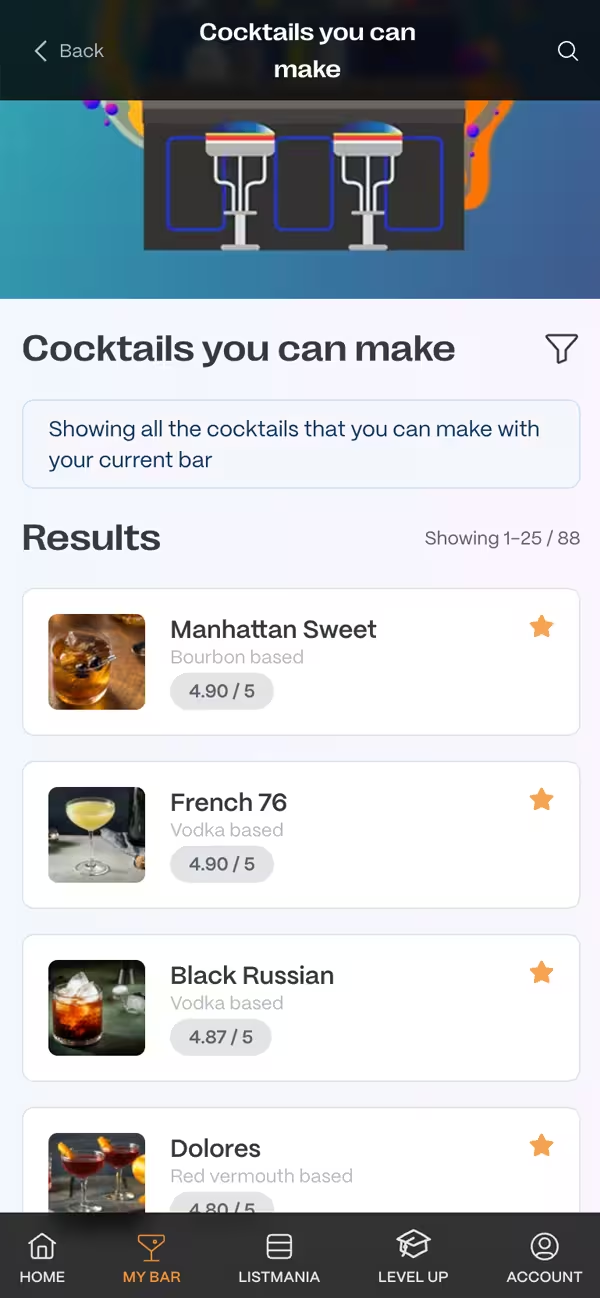
Créez facilement votre bar avec les ingrédients que vous avez chez vous, et nous vous montrerons ce que vous pouvez préparer avec.
Une fois cet ingrédient ajouté, rendez-vous sur votre page Bar personnel et complétez avec tout ce que vous avez.
Nous vous proposerons aussi des cocktails en substituant un ingrédient manquant par ce que vous avez, en revisitant l’original. À vous de créer quelque chose de délicieux !
Explorez les cocktails Sucre
Visitez le centre de cocktails pour des parcours sélectionnés, ou allez directement à la page complète des résultats.
Voir tous les cocktails Sucre en un seul endroit
Ouvrez la page complète des résultats pour filtrer par classiques, ingrédients supplémentaires, degré d'alcool, et tous les autres outils de découverte.