Aromatic bitters Cocktails
Explore 186 cocktail recipes made with Aromatic bitters
Top Aromatic bitters Cocktails
Singapore Sling
- 30ml Gin
- 7.5ml Cointreau
- 15ml Cherry liqueur
- 7.5ml DOM Benedictine
- 15ml Lime juice
- 120ml Pineapple juice
- 10ml Grenadine
- 1 dash Aromatic bitters
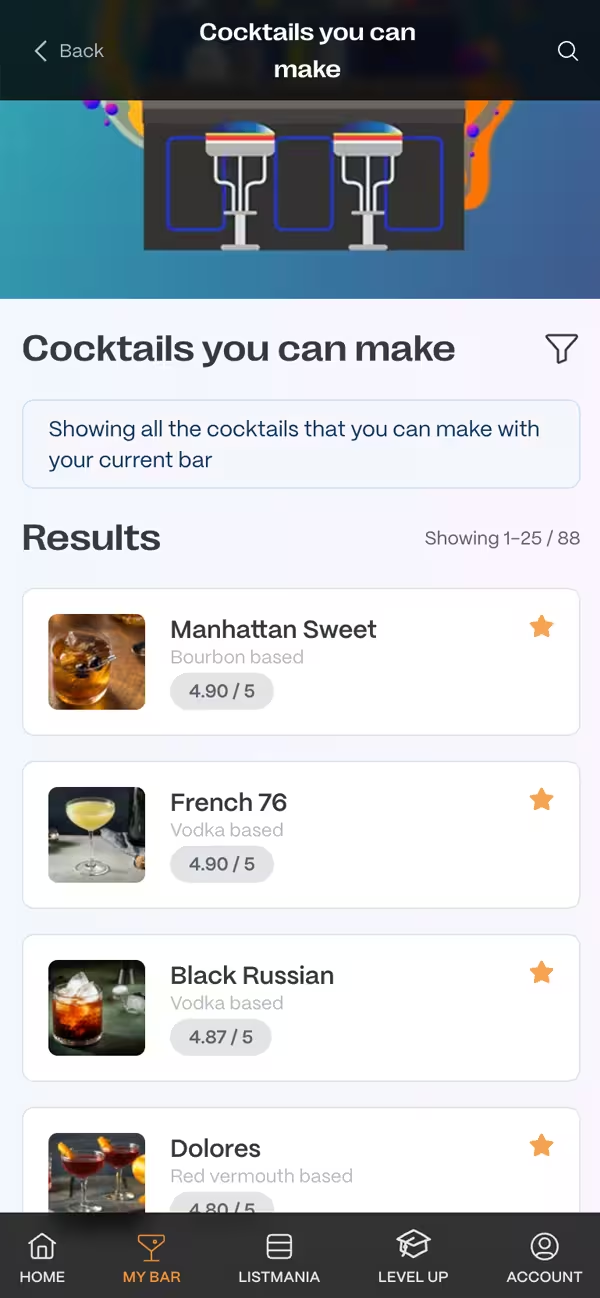
Manhattan Sweet
- 60ml Bourbon
- 30ml Red vermouth
- Dash Aromatic bitters
Chocolate Cherry Old Fashioned
- 60 ml Bourbon
- 10 ml Cherry syrup
- 2 dashes Chocolate bitters
- 1 dash Aromatic bitters
Piscola
- 60ml Pisco
- 2 dashes Aromatic bitters
- 90ml Cola
Martini Perfect
- 45ml Dry gin
- 22.5ml White vermouth
- 22.5ml Red vermouth
- Dash Aromatic bitters
Rum Swizzle
- 60ml Jamaican rum
- 15ml Lime juice
- 20ml Falernum
- 1 dash Aromatic bitters
- 7.5ml Lemon juice
- 15ml Sugar / simple syrup
Champs-Élysées
- 45ml Cognac
- 10ml Green Chartreuse
- 20ml Lemon juice
- 15ml Sugar / simple syrup
- Dash Aromatic bitters
Rosemary Old Fashioned
- 60 ml Bourbon
- 2 dashes Aromatic bitters
- 1 sprig Rosemary
- 1 tsp Sugar
Explore Aromatic bitters Cocktails
Classic Aromatic bitters Cocktails
See all classicsQ&A

Who invented Angostura Bitters and why?
Angostura Bitters was invented by Johann Gottlieb Benjamin Siegert, a German surgeon general in Simon Bolivar's army, in 1824. It was initially created as a medicinal tonic to alleviate soldiers' stomach ailments and digestive issues during the Venezuelan War of Independence. The bitters were named after the town of Angostura (now Ciudad Bolívar, Venezuela), where Siegert was based. Its medicinal use quickly expanded into culinary and cocktail applications, leading to its widespread popularity today.

What is the alcohol content in Angostura Bitters?
Angostura Bitters contains 44.7% alcohol by volume. Despite its relatively high alcohol content, it is used in such small quantities in cocktails and food recipes that it doesn't significantly contribute to the overall alcohol content of the dish or drink. Its primary role is to add depth, complexity, and balance to the flavor profile.

How should Angostura Bitters be stored for optimal freshness?
To maintain optimal freshness and flavor of Angostura Bitters, it should be stored in a cool, dry place away from direct sunlight and heat sources. The bottle should be tightly sealed when not in use to prevent evaporation and degradation of the aromatic compounds. Properly stored, Angostura Bitters can last for several years, even after opening, without significant loss in quality.

Is there a non-alcoholic substitute for Angostura Bitters in cocktails?
While there's no direct non-alcoholic substitute that perfectly mimics the complex flavor profile of Angostura Bitters, a combination of non-alcoholic aromatic bitters or a homemade mixture of herbal teas (like gentian root tea) with a splash of non-alcoholic Grenadine or fruit juice can provide a similar depth and bitterness in mocktails. However, these alternatives may not entirely replicate the unique flavors of Angostura Bitters.

What are some classic cocktails that use Angostura Bitters?
Angostura Bitters is a key ingredient in several classic cocktails, known for adding depth and complexity to the drinks. Notable examples include the Manhattan, a sophisticated blend of whiskey, vermouth, and bitters; the Old Fashioned, which combines whiskey, sugar, water, and bitters; and the Pisco Sour, mixing pisco, lime juice, syrup, egg white, and bitters. Its versatile flavor profile also makes it a popular choice for experimenting in modern cocktails.